

What is the difference between comprehensive and collision coverage?
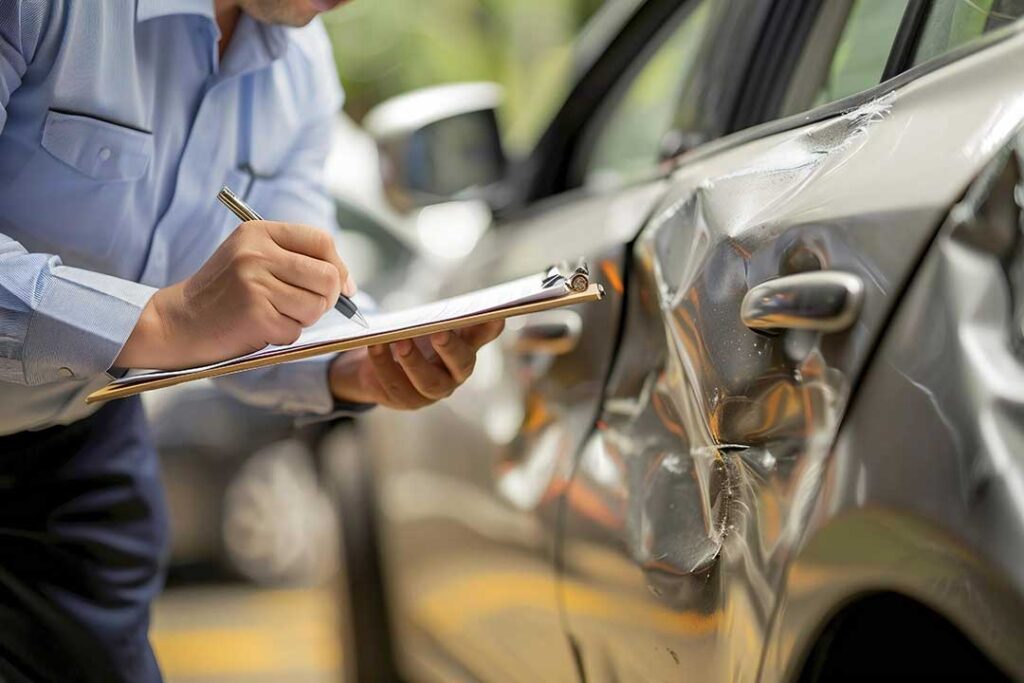
Comprehensive coverage generally pays for damage to your vehicle caused by something other than a collision. Collision coverage generally pays for damage caused when your vehicle hits another vehicle or object, or when another vehicle hits yours.
Both coverages protect your own vehicle. They are different from liability insurance, which generally pays for injuries or property damage you cause to other people.
A simple way to remember the distinction is:
- Collision: Your vehicle strikes something, or something strikes your vehicle.
- Comprehensive: Your vehicle is damaged by theft, weather, animals, vandalism, fire, falling objects, or another non-collision event.
Neither coverage is required by Kansas law in the same way liability insurance and personal injury protection are required. However, a lender or leasing company may require both until a loan or lease ends.
What does comprehensive auto insurance cover?
Comprehensive coverage, sometimes called “other than collision” coverage, applies to many types of damage that do not result from a crash.
Common examples include:
- Hail damage
- Wind damage
- Theft of the vehicle
- Vandalism
- Fire
- Flooding or water damage
- Falling tree limbs or other objects
- Damage caused by striking an animal
- Broken glass, depending on the circumstances and policy terms
For households in Wichita, severe weather is one practical reason to understand this coverage. Hail, strong wind, and falling branches can damage a vehicle even when it is parked safely at home or in a workplace lot. A vehicle can also be damaged by an animal on a rural road outside the city or by debris during a storm.
Comprehensive coverage does not usually pay for normal wear and tear, mechanical breakdown, poor maintenance, or damage caused by an intentional act. Personal items stolen from inside a vehicle may fall under a homeowners or renters policy rather than the vehicle’s comprehensive coverage, although policy details vary.
What does collision auto insurance cover?
Collision coverage generally pays for physical damage to your vehicle after a crash or impact. The other object could be another vehicle, a tree, a fence, a pole, a building, or another fixed object.
Examples include:
- Backing into a garage door
- Hitting a light pole
- Striking another vehicle at an intersection
- Losing control and rolling the vehicle
- Damaging the vehicle after hitting a pothole, if the policy includes that situation
- Being hit by another driver when using your own collision coverage
Collision coverage is often useful when the responsible driver is unknown, uninsured, or when a claim through another driver’s policy may take time to resolve. The claim is still subject to the collision deductible selected on the policy.
Collision coverage does not generally pay for injuries, damage to another person’s vehicle, or damage caused by hail or theft. Those losses involve different coverages.
Does comprehensive or collision coverage depend on who caused the damage?
Usually, no. Both coverages are designed to address damage to the insured vehicle without making fault the central question.
For example, collision coverage may apply if a driver backs into a pole or if another driver crashes into the vehicle. Comprehensive coverage may apply after hail damages the roof, whether anyone was at fault or not.
If another driver caused the crash, the vehicle owner may also have the option of pursuing a claim against that driver’s liability insurance. Using personal collision coverage may be more practical in some situations, but the deductible and claim history considerations should be reviewed under the policy.
What is a deductible, and how does it affect a claim?
A deductible is the amount the policyholder pays toward a covered loss before the insurer pays the remaining covered amount.
Suppose a vehicle has a $1,000 collision deductible and suffers $4,000 in covered damage. The policyholder would generally be responsible for the first $1,000, and the insurer would consider the remaining $3,000 under the policy terms.
Comprehensive and collision deductibles do not have to be identical. A policy might have a lower comprehensive deductible and a higher collision deductible, or the same deductible for both.
A higher deductible can reduce the premium, but it also means paying more after a covered loss. The most useful deductible is one the household could reasonably afford after an unexpected storm, crash, or theft.
Is “full coverage” the same as comprehensive and collision?
No. “Full coverage” is an informal phrase rather than a precise insurance term. It often means a policy includes liability, personal injury protection, uninsured or underinsured motorist coverage, comprehensive, and collision coverage.
The phrase does not guarantee that every possible loss is covered. It also does not identify the policy limits, deductibles, exclusions, rental reimbursement, roadside assistance, or other optional protections.
Reading the declarations page is more reliable than relying on the phrase “full coverage.” That page should show whether comprehensive and collision are included, the deductible for each, and the limit used to settle a covered vehicle loss.
What happens if a vehicle is totaled?
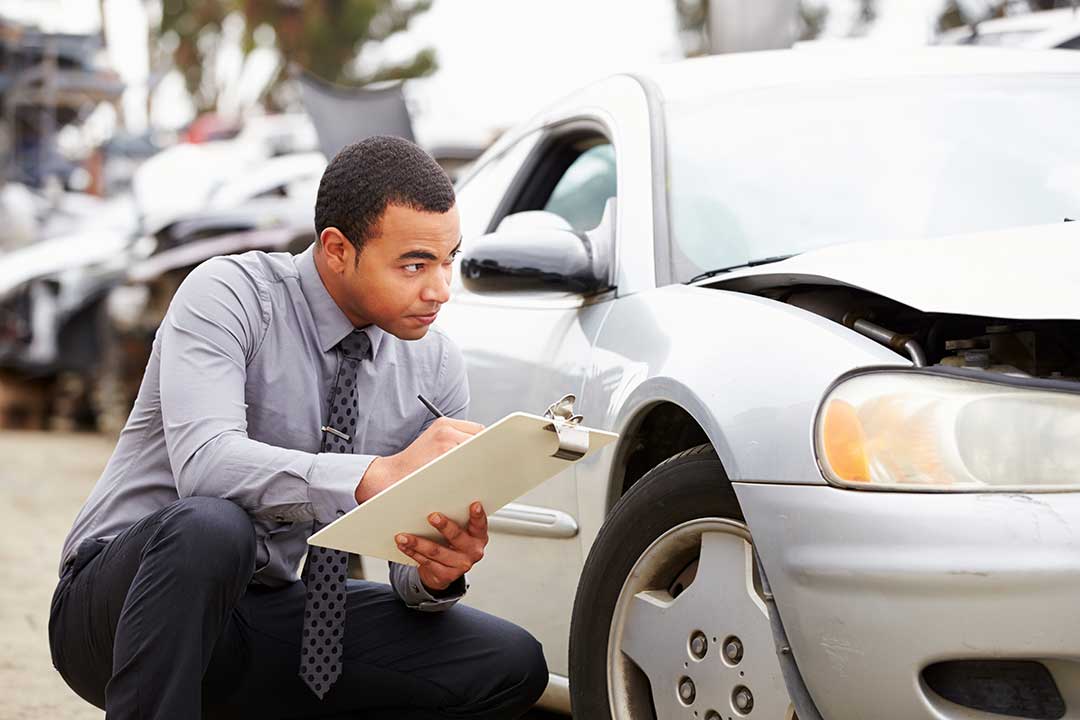
An insurer may declare a vehicle a total loss when repairing it would cost more than the vehicle’s value or when state rules and policy procedures require that result.
For a totaled vehicle, payment is generally based on the vehicle’s actual cash value immediately before the loss, minus the deductible and any applicable policy adjustments. Actual cash value is not necessarily the original purchase price, loan balance, or amount needed to buy a newer replacement.
The amount owed on an auto loan can be higher than the vehicle’s current value. Comprehensive and collision coverage generally do not pay that difference. Optional loan or lease gap protection may address it, subject to its own terms.
Should an older vehicle still have both coverages?
The answer depends on the vehicle’s value, the cost of coverage, the deductible, the likelihood of a loss, and the household’s ability to replace the vehicle.
A useful review compares:
- The vehicle’s current market value
- The annual cost of comprehensive and collision coverage
- The deductibles
- The cost of replacing the vehicle after theft or a serious crash
- Whether a lender or leasing company requires the coverage
- Whether the vehicle is driven regularly or kept in storage
Dropping coverage does not eliminate the risk. It transfers more of that risk to the vehicle owner. If an older car has little market value, collision coverage may provide limited financial benefit after considering the deductible. Comprehensive coverage may still be useful because theft, hail, glass damage, and storm losses can occur regardless of the vehicle’s age.
What should Wichita drivers check in their policy?
Local driving conditions and seasonal weather make it useful to review several details before a loss occurs:
- Whether hail, wind, flood, and falling objects are included under comprehensive coverage
- Whether animal strikes are treated as comprehensive or collision under the policy
- The separate comprehensive and collision deductibles
- Whether windshield damage has a special deductible or limitation
- Whether rental transportation is included after a covered loss
- How custom equipment, accessories, or permanently installed items are handled
- Whether the policy covers a vehicle used for commuting, delivery, ridesharing, or other business purposes
- How a lender or leasing company’s requirements affect coverage
Policy language controls the outcome of a claim. Coverage can differ by insurer, state endorsement, deductible, exclusions, and the facts of the loss.
The central distinction remains straightforward: collision coverage is mainly for impact-related damage, while comprehensive coverage is mainly for non-collision damage such as weather, theft, vandalism, fire, glass, falling objects, and animal contact. Reviewing those protections alongside the vehicle’s value and the household’s emergency savings can help clarify whether the coverage still fits the vehicle and its use.